The Hidden Cost of 'Free' Delivery: Why Uber Direct is the Enterprise Choice for 2026


There's no such thing as free delivery. But there is such a thing as paying 30% commission to own none of your guest data.
Most restaurant groups still treat delivery like a necessary evil, hand it to the marketplaces, take the hit on margin, move on. The problem isn't the delivery itself. It's that you're renting someone else's customer base at a price that makes no commercial sense.
By 2026, the economics have shifted. Enterprise restaurant groups are pulling back from marketplace dependency and moving toward commission-free online ordering paired with flat-fee fulfillment through services like Uber Direct. The difference isn't subtle. It's the gap between owning your guest experience and subsidising someone else's platform.
Here's why mid-market and enterprise operators are making the switch, and what it actually costs to keep doing what you've always done.
What Marketplace Delivery Actually Costs You
When you list on Deliveroo, Just Eat, or Uber Eats, you're not just paying commission. You're paying in three currencies: margin, data, and brand control.
The commission hit is obvious. Between 25–35% per order, depending on your negotiation leverage and whether you're using their logistics. On a £20 order, you're handing over £6–£7 before you've covered food cost, labour, or packaging.
The data loss is structural. The marketplace owns the guest. You get an anonymised order ticket. No email. No phone number. No ability to market to that customer again. They came to you once, but they belong to the platform.
The brand dilution is slow but terminal. Your restaurant becomes a thumbnail in an infinite scroll. Your identity, your tone, your story, the thing that makes you worth visiting, gets compressed into a hero image and a 4.2-star rating. You're competing on speed and price, not experience.
This isn't sustainable for a business model built on repeat visits and guest loyalty. It's especially not sustainable if you're operating 10, 20, or 50 sites. The math breaks.
Commission-Free Ordering: The Model That Actually Works
Here's the alternative: you own the ordering channel, and you pay a predictable flat fee for delivery.
Commission-free online ordering means guests place orders directly through your branded web or app. No middleman. No percentage take. You control pricing, upsells, branding, and, most importantly, the guest data.
When you pair that with a third-party fulfilment partner like Uber Direct, you get the logistics without the commission. Uber Direct charges a per-delivery fee, typically £3–£5 depending on distance, not a percentage of the order value. Whether the basket is £15 or £150, the delivery cost stays flat.
The economics shift immediately
- Marketplace model: 30% commission on a £50 order = £15 cost
- Direct model: £4 flat delivery fee on a £50 order = £4 cost
That's an £11 difference per order. Multiply that across 500 delivery orders per week, per site, across a 20-site group. You're looking at £100,000s in annual savings. That's before you factor in the long-term value of the guest data you now own.
Why Uber Direct Works for Enterprise Groups
Uber Direct isn't a marketplace. It's infrastructure. You get access to Uber's courier network without giving up control of the transaction.
Proof of delivery. For high-value orders or age-restricted items, Uber Direct offers signature verification, photo confirmation, and ID checks. This matters if you're running a premium concept or selling alcohol.
Flexible scheduling. Orders can be fulfilled within two hours or scheduled up to 30 days in advance. Useful for catering, corporate orders, or timed campaigns.
Scalable logistics. Uber Direct has nationwide courier coverage in all major cities. For a multi-site operator, that means consistent coverage across geographies without negotiating separate contracts with local couriers.
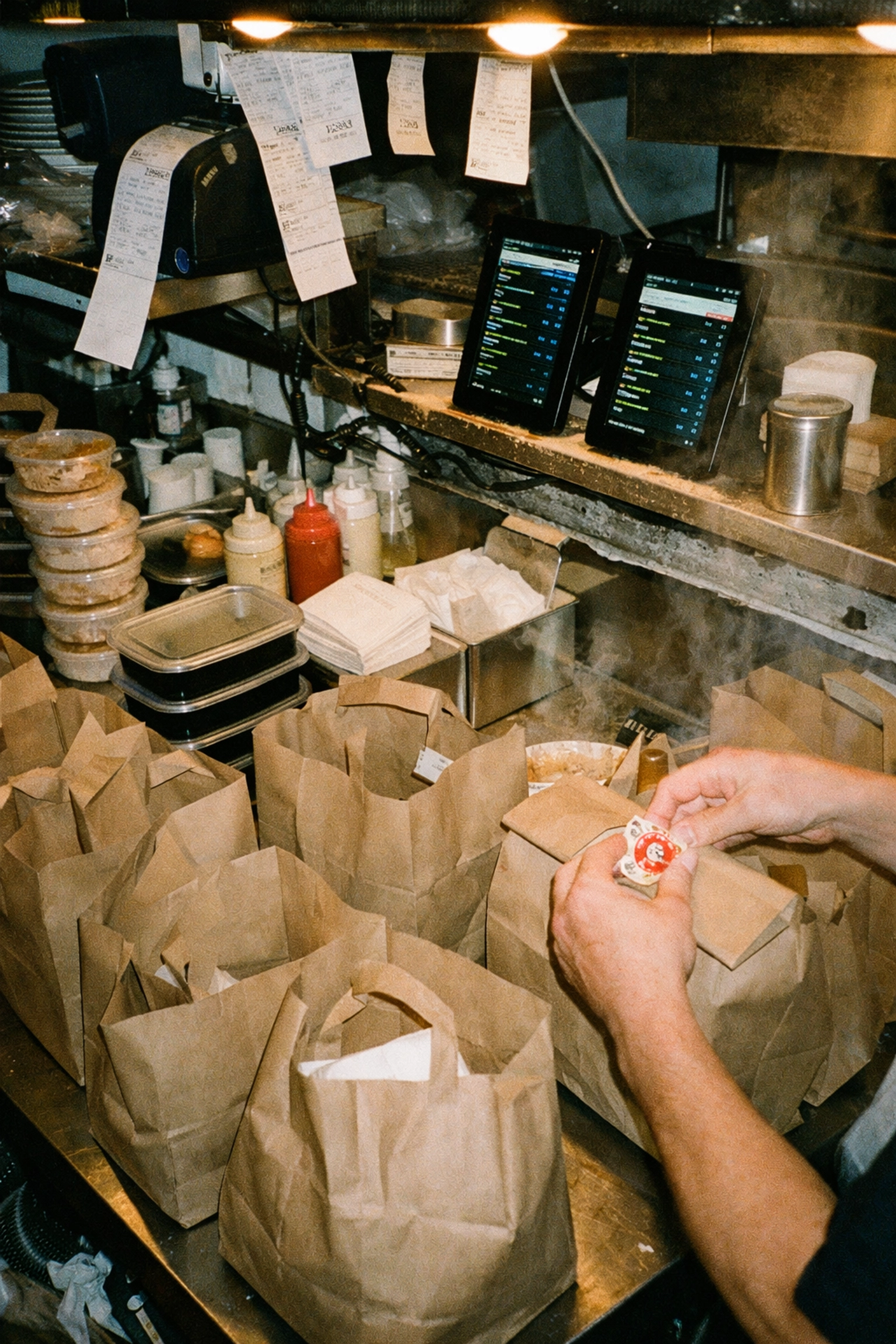
But the real value is strategic, not operational. When delivery is a cost line you control, not a revenue share you negotiate, you can model growth more intelligently. You're not building on rented land.
The Single Guest Identity Layer: Why Data Ownership Matters
Here's where the platform model falls apart for enterprise groups: you can't build loyalty without knowing who the guest is.
A customer who orders from you on Deliveroo, dines in next week, then places a click-and-collect order on your app should be recognised as the same person. That's not possible if each channel lives in a different system.
This is where Storekit operates. We sit above the POS as a Guest Experience Engine, unifying every interaction under a single guest identity. Whether they order online, scan a QR code at the table, or walk in for a coffee, we know who they are, what they've ordered before, and how to personalise their next visit.
When you move to commission-free online ordering, that data flows into your system, not someone else's. You can:
- Build targeted email and SMS campaigns
- Reward repeat behaviour with intelligent loyalty mechanics
- Measure lifetime value per guest across channels
- Optimise your menu based on real purchase behaviour, not anonymised aggregates
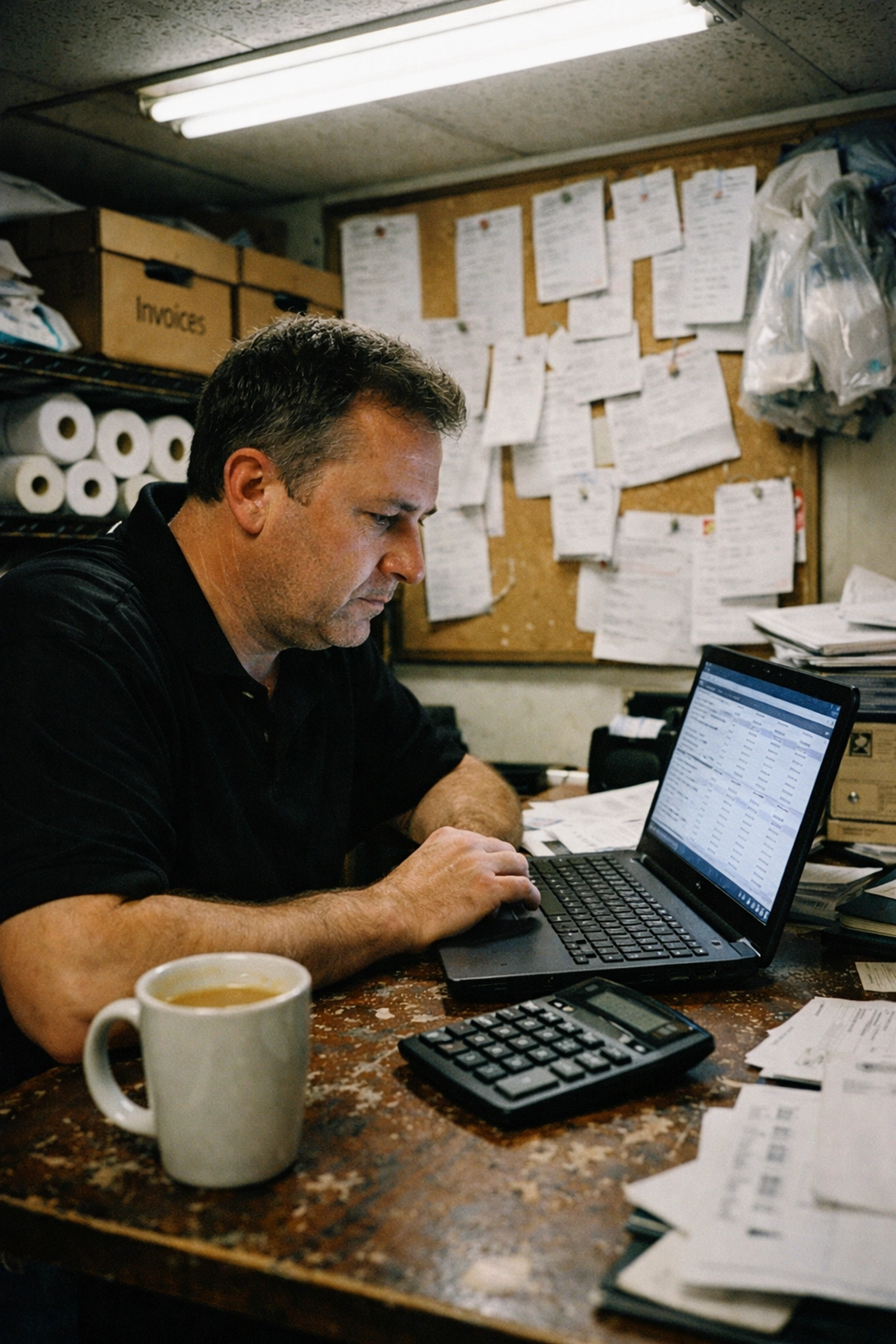
Food is commoditised. Loyalty isn't. The brands that win in 2026 are the ones that treat guest data as a strategic asset, not an afterthought.
The Hidden Cost of 'Free' Marketplace Exposure
Marketplaces will tell you they drive incremental orders. That's true, at first. The hidden cost is what happens after.
You become dependent on their traffic. Your direct channels atrophy. Guests who might have found you organically now default to scrolling Deliveroo. Your brand becomes a passive listing instead of an active relationship.
Worse, the marketplace controls the pricing environment. If they decide to run a 20% off promotion, you're often expected to absorb part of the cost. If they change their algorithm to prioritise faster delivery over rating, your visibility drops. You're optimising for their business model, not yours.
Enterprise groups that have moved to owned channels report a consistent trend: direct orders have higher average basket values and better repeat rates. That's not a coincidence. When a guest orders from your branded platform, they're choosing you, not just choosing food nearby.
How to Make the Switch Without Burning Margin
Moving from marketplace dependency to commission-free ordering isn't a light-switch decision. It requires three things: traffic, infrastructure, and measurement.
Traffic. You need to drive guests to your owned channel. That means investing in organic search, paid social, email capture, and on-site promotion. QR codes in-store, receipt footers, loyalty incentives, every touchpoint should funnel guests toward your direct platform.
Infrastructure. Your ordering system needs to be genuinely good. Clunky UX, slow load times, or limited payment options will send guests back to the marketplace. This is where a proper Guest Experience Engine matters. Storekit integrates with your POS, handles ordering, loyalty, and delivery routing in one layer, and lets you plug in Uber Direct for fulfilment without reworking your whole tech stack.
Measurement. Track everything. Guest acquisition cost, repeat rate, basket size, channel mix. The goal isn't to eliminate marketplace orders overnight, it's to shift the ratio toward owned channels while improving unit economics.
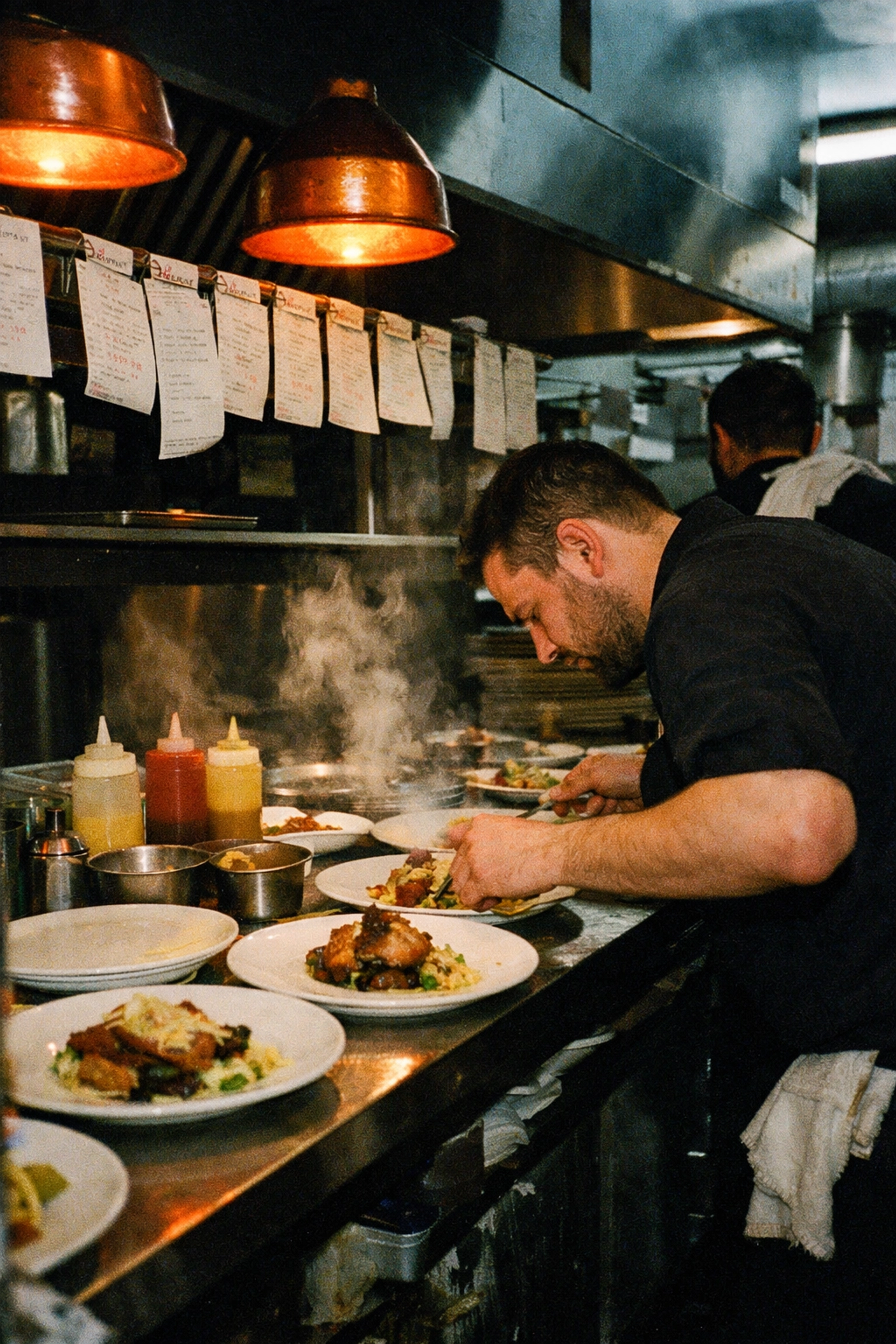
Start with one site. Prove the model. Then scale.
Why This Matters Now
The cost of customer acquisition is only going up. Paid social is expensive. Organic reach is shrinking. If you're paying 30% commission on top of that just to deliver an order, you're stacking costs that don't need to be stacked.
By 2026, the operators who win will be the ones who own their guest relationships, control their data, and run delivery as a logistics problem, not a distribution deal.
Commission-free online ordering paired with flat-fee fulfilment through Uber Direct is the model that makes this possible. It's not theoretical. It's happening now across mid-market and enterprise groups who've done the math and realised the marketplace era is ending.
The question isn't whether to make the shift. It's whether you'll make it before your competitors do.
FAQ
What's the difference between Uber Eats and Uber Direct?
Uber Eats is a marketplace where customers browse multiple restaurants and Uber takes a 25–35% commission. Uber Direct is a white-label delivery service where customers order through your platform and you pay a flat per-delivery fee (typically £3–£5). You keep the guest data, the margin, and the brand control.
Can I use Uber Direct if I already have my own ordering system?
Yes. Uber Direct integrates with most ordering platforms via API. If you're using Storekit's takeaway product, the integration is native, orders route automatically to Uber's courier network without manual dispatch.
Is commission-free ordering actually cheaper than using marketplaces?
In almost every case, yes. A 30% commission on a £40 order costs you £12. A flat £4 delivery fee saves you £8 per order. The savings compound quickly, especially across multi-site operations.
Do I lose delivery volume if I stop using marketplaces?
Initially, possibly. But the trade-off is margin and data. Most groups that shift to commission-free ordering find that direct channel orders have higher basket values and better repeat rates, which offsets volume differences over time. And we'd never recommend leaving the marketplaces entirely. You can remain on all marketplaces, or even go exclusive, whilst using storekit as your direct online ordering platform.
How do I drive traffic to my own ordering platform instead of Deliveroo?
SEO, paid social, email marketing, QR codes in-store, loyalty incentives, and on-receipt promotion. The key is making your direct channel the easiest, most rewarding option. Offer perks for direct orders (e.g., loyalty points, exclusive items, faster service) that marketplaces can't match.
We don't just make the world's best online ordering system