What is Uber Direct? A Guide to White-Label Delivery for Restaurants


For years, restaurant groups have faced an impossible choice: either pay 30% commission to marketplaces, or build an in-house delivery fleet that drains margin and operational focus.
There's a third option. One that's been hiding in plain sight, used by e-commerce brands for decades.
White-label delivery networks.
Uber Direct, Stuart, Gophr, and similar courier APIs let you offer delivery on your own channels, your website, your app, your brand, without paying the marketplace tax or hiring your own drivers.
You keep the customer. You keep the data. You pay per delivery, not per basket.
This is how delivery economics should work.
What is Uber Direct?
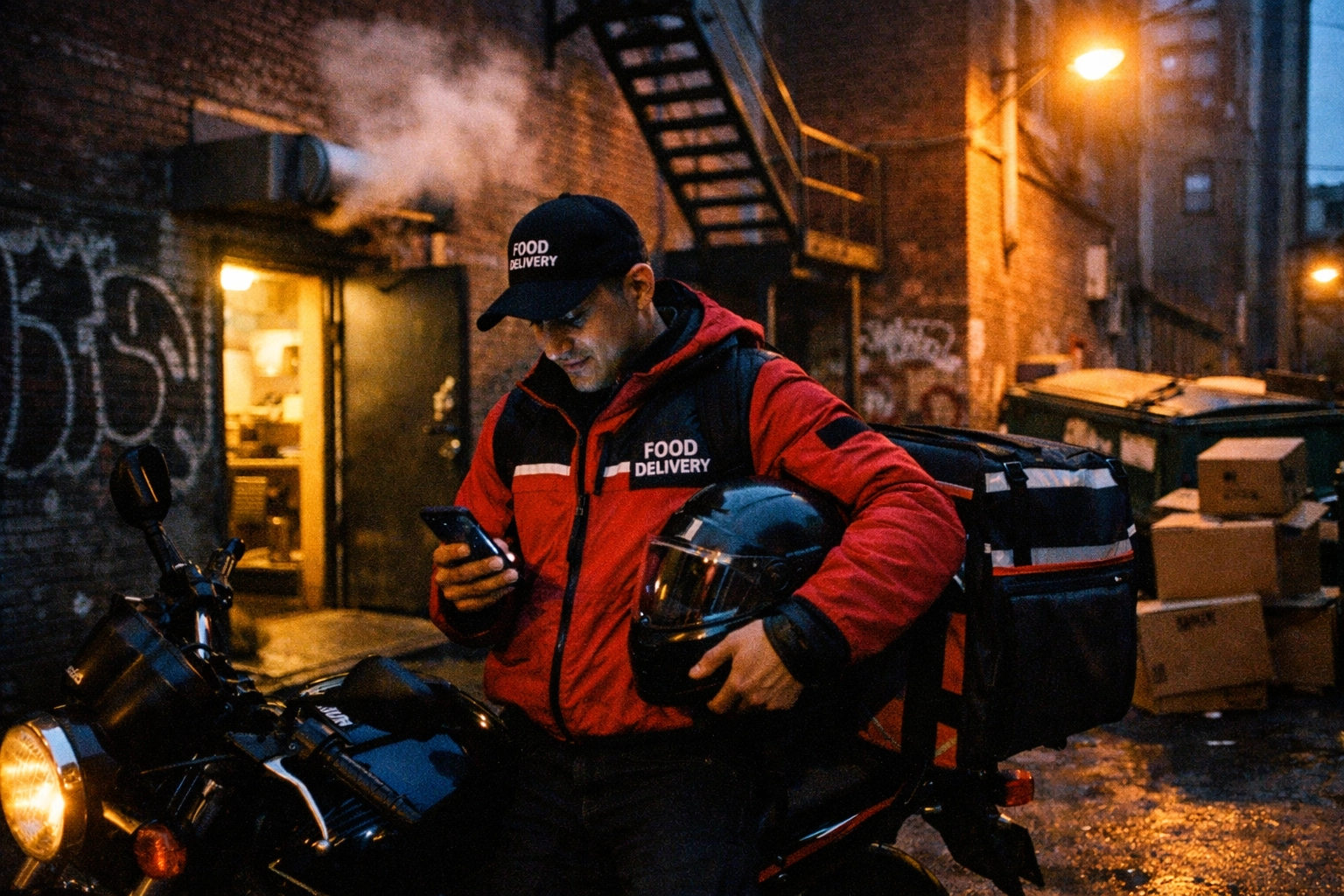
Uber Direct is a white-label logistics API that plugs Uber's courier network into your own ordering channels.
When a guest places a delivery order through your website or app, Uber dispatches a driver to collect and deliver it. The guest never sees the Uber Eats brand. No redirect. No third-party branding. No lost data.
It's the same driver network. Different commercial model.
Think of it like this: when you buy something from a Shopify store, the brand doesn't build its own logistics network. It uses UPS, DPD, or Royal Mail. The delivery is a utility. A cost per parcel.
That's exactly what Uber Direct does for restaurants.
The Marketplace Tax vs. the Utility Model
Let's be clear about the economics.
Marketplace Model (Deliveroo, Uber Eats, Just Eat)
- You pay 25–35% commission on the total basket value
- The platform owns the customer data
- The guest experience is controlled by the aggregator
- You're competing on price with every other restaurant on the platform
- The more you sell, the more you pay
White-Label Delivery (Uber Direct, Stuart)
- You pay a flat fee per delivery (typically £3–7 depending on distance and vehicle type)
- You own the customer data
- You control the brand experience
- No commission on basket value
- The guest orders directly from you
Let's run the maths on a £35 delivery order:
- Marketplace commission at 30%: £10.50
- Uber Direct flat fee (average 5km): £4.80
- Saving per order: £5.70
At 100 deliveries per week, that's £29,640 saved annually. Per site.
How White-Label Delivery Actually Works
The workflow is simpler than you'd think.
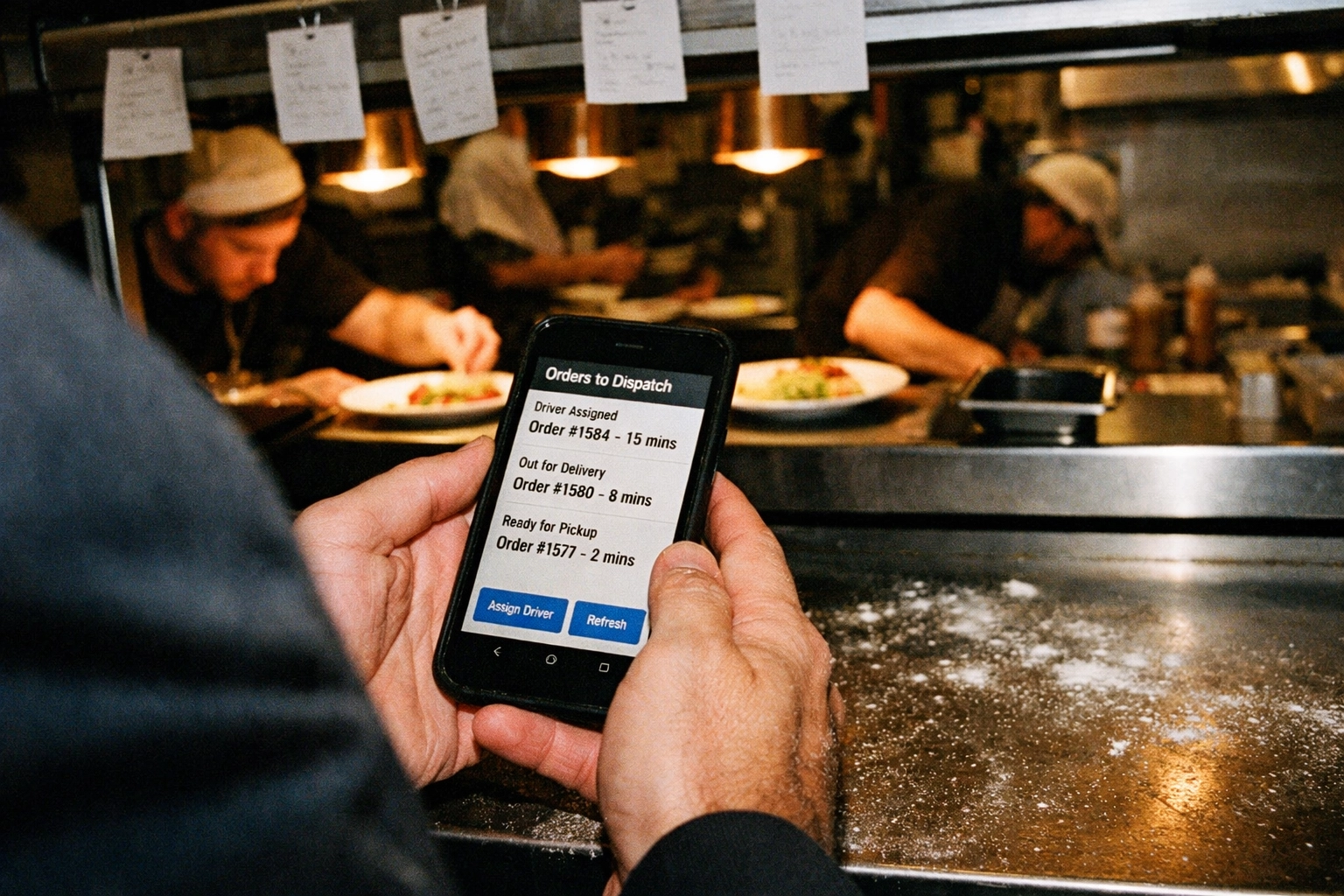
- Guest places an order on your website or app (powered by your ordering platform)
- Your system calculates a delivery fee and shows it at checkout (you decide the amount)
- Order is confirmed and sent to your kitchen
- Your platform dispatches a courier via the Uber Direct API
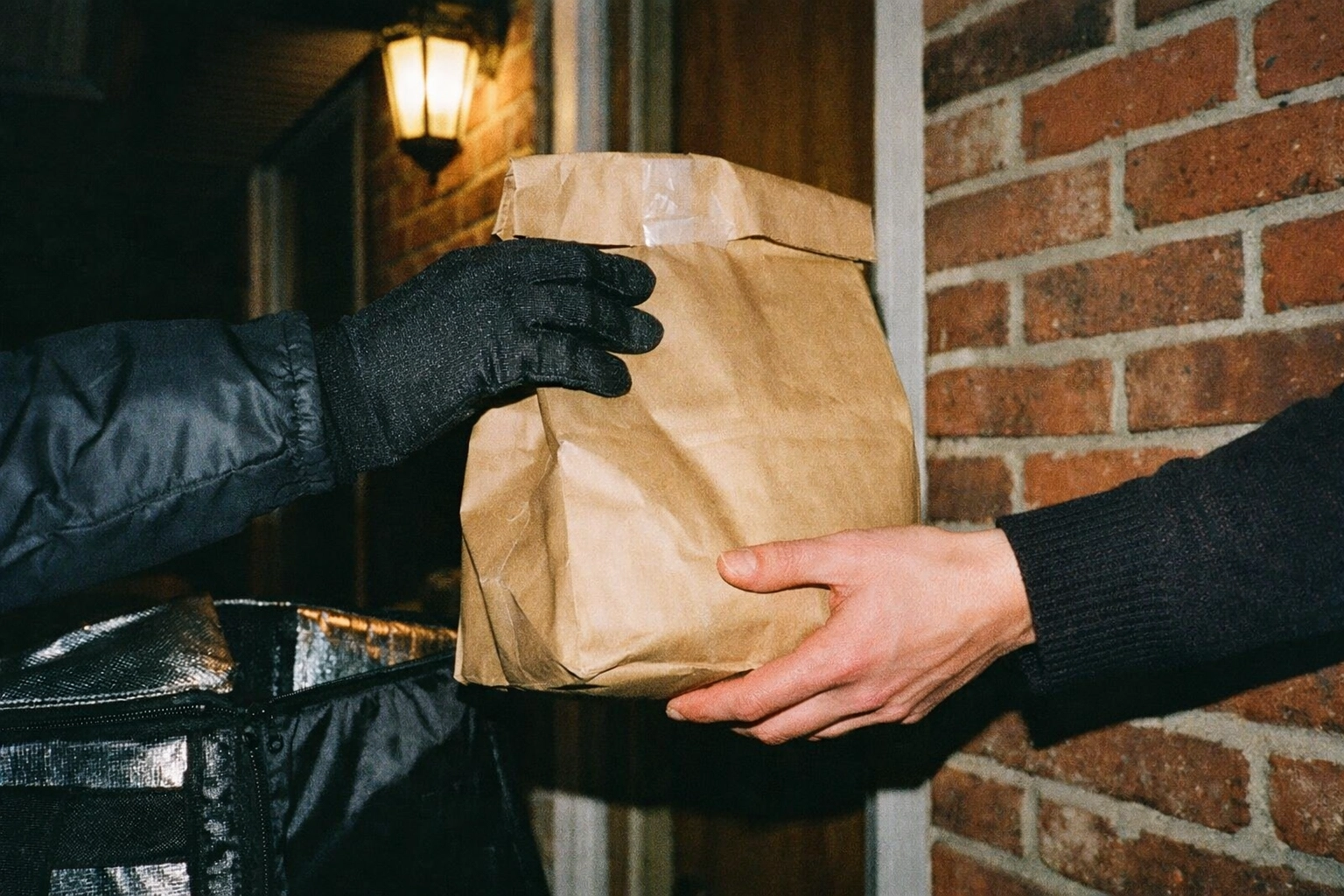
- Driver collects from your location and delivers to the guest
- Uber charges you a flat delivery fee (based on distance and vehicle type)
- Guest pays you the delivery fee you set (usually £2.99–£4.99)
- Your real cost is the delta between what you charged and what Uber charged
If you charge the guest £3.99 and Uber charges you £4.80, your subsidy is 81p per delivery.
Compare that to a £10.50 marketplace commission.
Distance and Vehicle Pricing
Uber Direct pricing is dynamic, based on:
- Distance (the further the delivery, the higher the cost)
- Vehicle type (bike, car, or van depending on order size)
- Demand (surge pricing doesn't usually apply to merchant-dispatched orders)
Typical UK pricing (as of early 2026):
- 0–2km (bike): £3.20–£4.50
- 2–5km (bike/car): £4.50–£6.20
- 5–8km (car): £6.20–£8.50
You set the delivery fee charged to guests. Most restaurant groups charge a flat £3.99 or £4.49, occasionally subsidising the difference to stay competitive.
The key point: you're in control of the commercial model, not the platform.
Why This Matters for Multi-Site Operators
If you're running 10+ locations, white-label delivery isn't just about saving margin. It's about strategic control.
You Own the Guest Identity
When someone orders via Deliveroo, Deliveroo owns that customer. You get anonymised order data. No email. No phone number. No way to re-engage them.
With Uber Direct (or Stuart, or any white-label network), the order happens on your platform. That means:
- Full customer data capture
- CRM integration
- Lifecycle marketing (welcome series, win-back campaigns, VIP tiers)
- Retention tracking
- Actual LTV visibility
This is the Single Guest Identity Layer, the idea that every interaction, whether dine-in, takeaway, or delivery, is tied to one guest profile.
That's what powers loyalty. That's what drives frequency. That's what marketplaces will never give you.
You Control the Brand Experience
From menu design to checkout flow to post-order comms, the entire journey is yours.
No competitor ads. No discount pop-ups promoting another restaurant. No algorithmic ranking pushing cheaper alternatives.
Just your brand, your food, your relationship with the guest.
You Can Test and Optimise
Because you own the platform, you can run experiments:
- Dynamic delivery fees based on distance or order value
- Free delivery thresholds to drive AOV
- Delivery-only menu items or bundles
- Time-based pricing (off-peak discounts)
You can't do any of this on a marketplace. You're a line item in someone else's app.
Storekit + Uber Direct: The Integration Layer
Here's where the Guest Experience Engine comes in.
Uber Direct is the logistics. Storekit is the brain.
When you integrate Uber Direct into Storekit, you get:
- Automatic courier dispatch based on prep time and distance
- Real-time delivery tracking embedded in your branded experience
- Guest data flowing into your CRM (not Uber's)
- Unified reporting across dine-in, collection, and delivery
- Single identity layer that tracks every guest interaction
You're not just bolting on a delivery partner. You're building a direct ordering channel that happens to use a third-party courier network for fulfilment.
Same way Nike uses DPD but still owns the customer.
This is the model restaurant groups should've been using all along.
When to Use White-Label Delivery
White-label delivery makes sense when:
- You already have a website or app ordering channel (or you're building one)
- You want to reduce reliance on marketplaces without cutting off delivery entirely
- You're focused on lifetime value, not just transactional volume
- You operate in areas where delivery demand is consistent (urban and suburban locations)
- You want control over delivery fees and margin
It's less suited for:
- Very low order volumes (you need scale to justify the integration)
- One-off promotions or experimental channels
- Rural locations with inconsistent courier availability
For most restaurant groups with 5+ locations, white-label delivery should be the default model for owned-channel orders.
Marketplaces can still play a role, as a discovery channel for new guests. But once someone's ordered, your goal is to migrate them to your direct channel where the economics actually work.
Frequently Asked Questions
Is Uber Direct cheaper than using Deliveroo or Uber Eats?
Yes, significantly. Marketplaces charge 25–35% commission on the entire order value. Uber Direct charges a flat fee per delivery (typically £3–7), meaning your cost doesn't scale with basket size. On a £35 order, you'd pay £10.50 to a marketplace vs. ~£5 to Uber Direct.
Do I need my own ordering platform to use Uber Direct?
Yes. Uber Direct is a logistics API, not a consumer-facing app. You need an ordering platform (like Storekit) to accept orders, manage the menu, and dispatch couriers via the API.
What happens if no couriers are available?
Uber Direct will attempt to match a courier for several minutes. If none are available, the order fails to dispatch and your platform can either retry, switch to an alternative courier network (like Stuart), or notify the guest of a delay.
Can I use multiple courier networks at the same time?
Yes. Many restaurant groups integrate 2–3 networks (Uber Direct, Stuart, Gophr) and use smart routing to pick the fastest or cheapest option based on location and demand.
Does the guest know Uber is delivering their order?
Only if you tell them. The driver uses the Uber Driver app, but the guest experience is entirely white-labelled. Tracking links, notifications, and branding all come from your platform.
The bottom line: delivery doesn't have to be a margin killer. You just need to treat it like the logistics problem it actually is: not a customer acquisition channel you rent from someone else.
White-label delivery lets you keep the guest, keep the data, and keep the margin.
The rest is just infrastructure.
We don't just make the world's best online ordering system