Click & Collect is Your Most Underutilised Loyalty Tool (Here's How to Fix It)


Most restaurant groups treat click & collect like a logistics problem. An operational add-on. A box to tick for convenience-seeking customers.
They're missing the point entirely.
Click & collect isn't just a fulfilment method. It's a loyalty activation moment disguised as a transaction. And if you're not using it to identify, personalise, and reward your most valuable guests, you're leaving serious money on the table.
The harsh reality: a customer who orders a flat white through your app on Tuesday and dines in on Friday should be recognised as the same person. But in most restaurant systems, they're two separate ghosts floating through disconnected databases.
That's not a tech limitation. That's a strategic failure.
The Problem: Click & Collect as an Afterthought
Here's what typically happens when a restaurant group launches click & collect:
- POS vendor bolts on a basic ordering module
- Orders come through a clunky tablet interface
- Staff treat pickups like drive-thru transactions
- No guest data captured beyond an email address
- No connection to dine-in behaviour or app activity
- No personalisation, no recognition, no loyalty loop
The customer experience? Functional at best. Forgettable at worst.
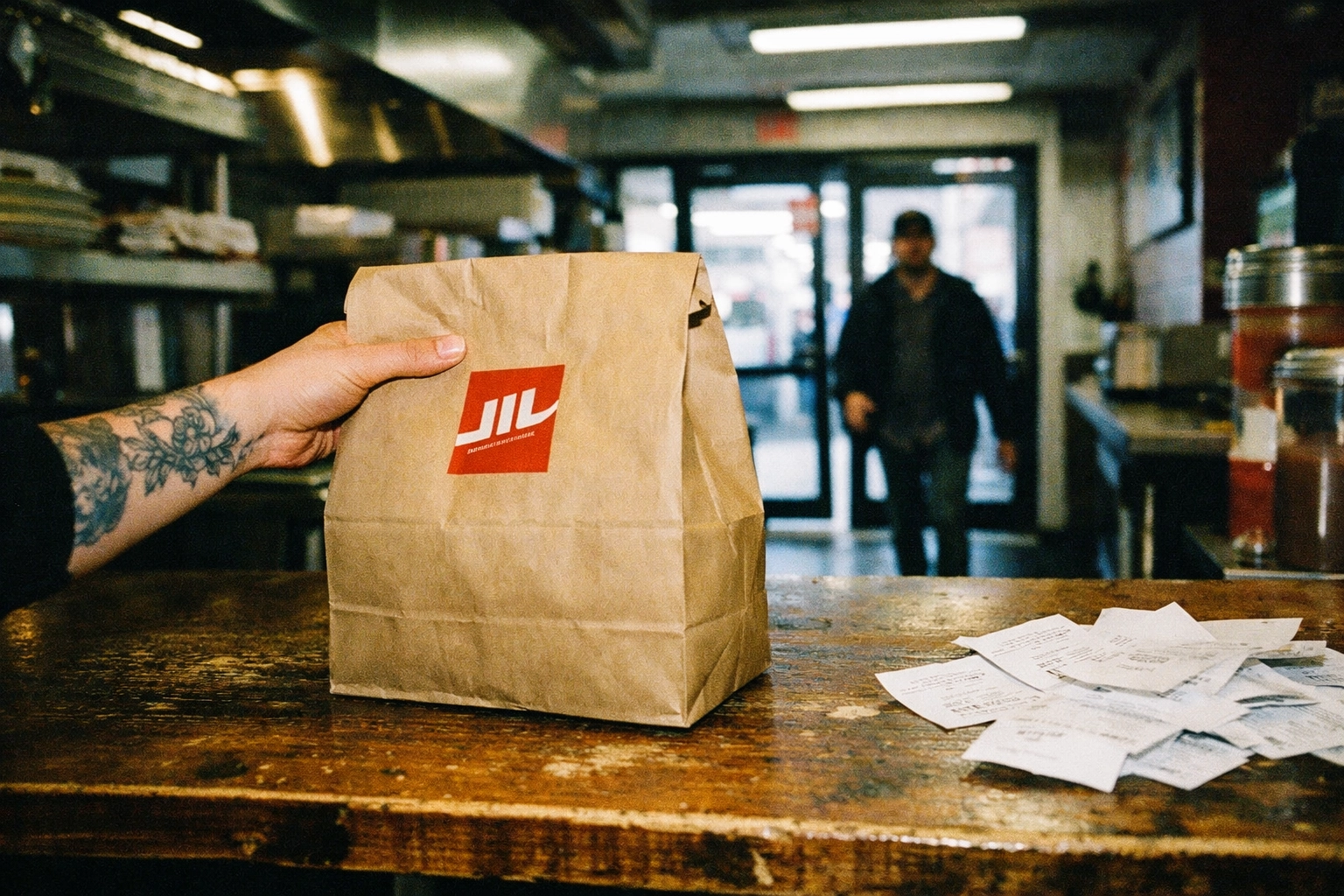
You've essentially built a vending machine with your brand name on it. And vending machines don't build loyalty.
The commercial impact is real. Research shows customers picking up orders spend an average of £285 monthly on impulse purchases when engaged properly during the handoff moment. Most restaurants capture none of that value because they treat pickup like a rushed logistics exercise.
Why Single Guest Identity Changes Everything
The difference between a transactional click & collect operation and a loyalty-driving one comes down to unified guest identity.
Here's the shift: instead of treating every order as an isolated event, a proper restaurant click and collect system creates a single, persistent profile that follows the guest across every touchpoint.
When someone orders a coffee through your app, picks it up, and returns for dinner three days later, your system should know:
- Their ordering history across all channels
- Their spend behaviour and frequency patterns
- Their dietary preferences and favourite items
- Their lifetime value and loyalty tier status
This isn't CRM theatre. This is operationally actionable intelligence.
Storekit's approach treats your ordering platform as a Guest Experience Engine, not a glorified menu PDF. Every interaction: whether it's a £3.50 cortado pickup or a £120 table booking: feeds the same identity layer. That data flows back into your customer data infrastructure, enabling real personalisation at scale.
Moving Beyond Generic Stamps and Discounts
Let's talk about loyalty programmes. Most are embarrassingly basic.
"Buy 10 coffees, get one free."
That's not loyalty. That's a rebate scheme with extra admin.
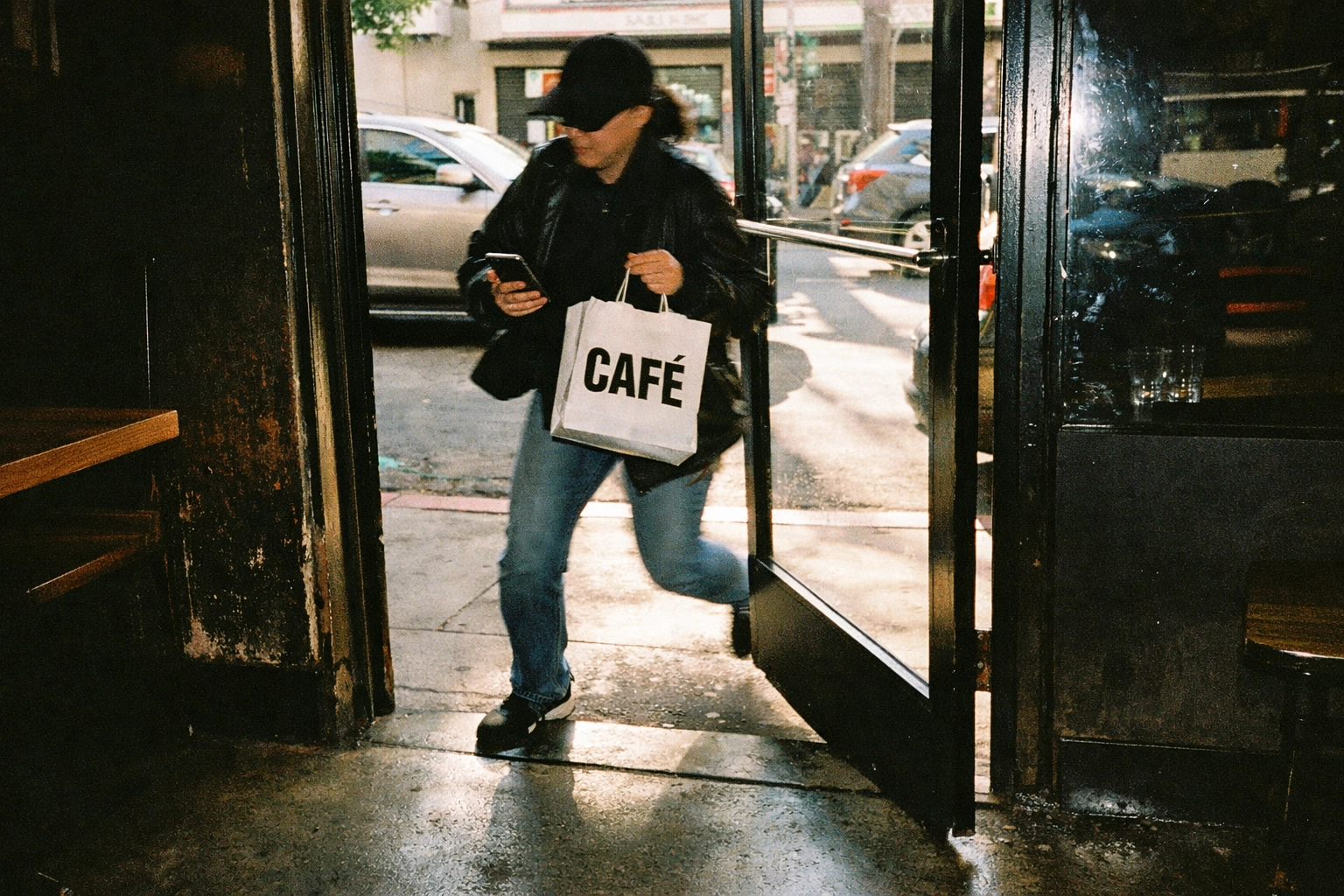
AI-driven personalisation for click & collect means:
- Dynamic upsells based on past behaviour: If a guest always orders a pastry with their morning coffee, surface that pairing automatically: but only when it's contextually relevant.
- Time-based rewards: Recognise the customer who picks up lunch three times a week with a surprise upgrade or priority service, not a generic 10% off code.
- Personalised pickup experiences: Staff see guest names, order history, and loyalty tier on the handoff screen. "Your usual oat flat white, Sarah?" isn't magic: it's good data architecture.
The philosophy here is simple: food is commoditised. Experience is the competitive edge.
Every café within a mile radius can make a decent flat white. What they can't do is remember that you prefer extra hot, no foam, and you're always in a rush on Tuesdays. That's the loyalty driver.
The Data Unification Problem (and How to Fix It)
Here's where most operators get stuck: data fragmentation.
Your POS holds dine-in transactions. Your online ordering platform holds delivery and pickup. Your loyalty app holds points and preferences. None of them talk to each other properly.
Result? You're paying three different vendors to give you three incomplete pictures of the same customer.
A unified restaurant click and collect system solves this by creating one source of truth. When a guest places a pickup order, the system checks:
- Are they a registered app user?
- Have they dined in before?
- What's their average order value?
- Are they due for a loyalty reward?
This isn't a "nice to have" feature. It's foundational infrastructure for any multi-site operator serious about retention economics.
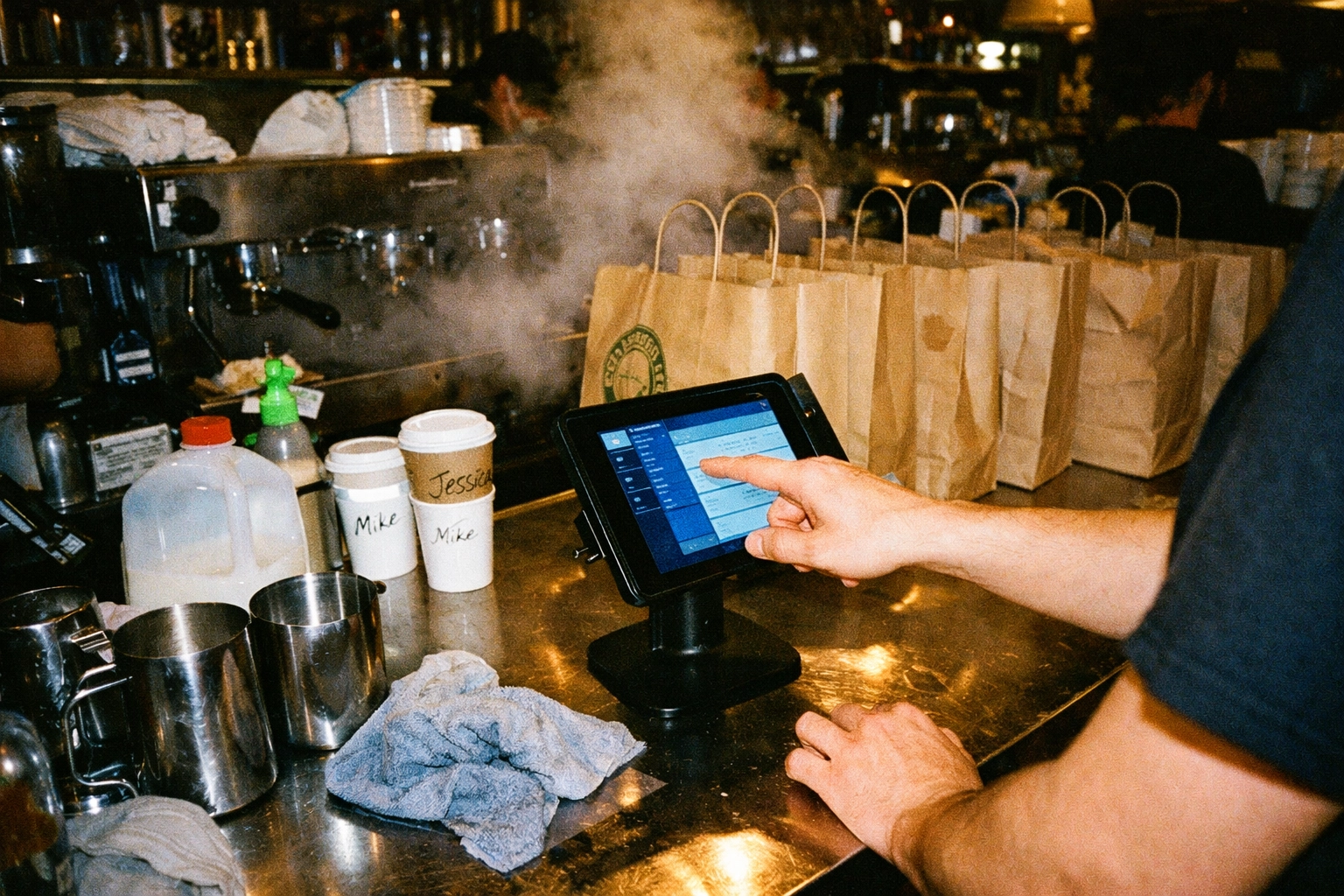
The commercial outcome: higher repeat visit frequency and increased spend per head. When customers feel recognised: not through invasive personalisation, but through intelligent service: they come back more often and spend more per visit.
Practical Tactics for Enterprise Groups
If you're running a restaurant group with multiple sites, here's how to turn click & collect into a measurable loyalty driver:
1. Implement cross-channel recognition
Ensure your pickup customers are recognised across dine-in, delivery, and app ordering. Same account, same loyalty tier, same perks: regardless of fulfilment method.
2. Use the handoff moment strategically
Train staff to engage briefly but meaningfully during pickup. A 15-second interaction: "Thanks for ordering again, here's a sample of our new pastry": creates disproportionate loyalty impact compared to silent handoffs.
3. Build behavioural triggers, not generic blasts
Stop sending "20% off this weekend" emails to your entire database. Instead, trigger personalised offers based on pickup behaviour: "We noticed you love our sourdough: try our new rosemary focaccia."
4. Offer flexible pickup options
Give customers genuine choice: counter pickup, curb-side, or designated collection zones. Flexibility correlates directly with repeat usage rates.
5. Track pickup-to-dine-in conversion
Measure how many click & collect customers convert to dine-in visits within 30 days. This metric tells you whether you're building relationships or just processing transactions.
6. Gamify repeat pickups intelligently
Reward consecutive pickup behaviour with badges, early access to new menu items, or priority service during peak hours. Make it about status and recognition, not just discounts.
The key is treating click & collect as part of your guest experience strategy, not your fulfilment logistics. That mindset shift unlocks entirely different economics.
Why This Matters for Multi-Site Operators
For enterprise restaurant groups, the stakes are higher. You're not just optimising one location: you're building a scalable loyalty infrastructure across dozens or hundreds of sites.
The difference between a fragmented approach and a unified one compounds fast:
- Fragmented: Each site operates independently. Guest data is siloed. Loyalty is location-specific. Pickup feels transactional.
- Unified: Guests are recognised across all locations. Data flows centrally. Personalisation scales. Pickup feels like VIP service.
The second model drives materially better unit economics. Higher retention rates. Lower customer acquisition costs. Increased lifetime value.
Storekit's platform is designed specifically for this use case: multi-site groups that need centralised control with local flexibility. Your click & collect operation becomes part of a broader Guest Experience Engine, not a standalone bolt-on feature.
What Good Looks Like
Here's the benchmark: a properly executed restaurant click and collect system should deliver:
- 70%+ repeat pickup rate within 90 days (vs. industry average of ~40%)
- 15-20% higher AOV through intelligent upselling during ordering
- Measurable cross-channel behaviour: at least 25% of pickup customers should transact through another channel within 60 days
- Staff engagement during handoff: average interaction time of 15-20 seconds (enough to be personal, not intrusive)
- Unified guest profiles: 90%+ of pickup orders linked to persistent customer accounts
If your current setup isn't hitting those numbers, you're operating a fulfilment system, not a loyalty tool.
FAQ
What's the difference between a basic click & collect system and a loyalty-driven one?
A basic system processes orders. A loyalty-driven system creates unified guest profiles, enables personalisation, and connects pickup behaviour to broader customer data. The former is logistics. The latter is guest experience infrastructure.
How do I measure click & collect loyalty performance?
Track repeat pickup rate, pickup-to-dine-in conversion, average order value trends, and cross-channel engagement. If customers only use pickup once or never visit for other occasions, you're not building loyalty.
Can click & collect work for fine dining or premium brands?
Absolutely. The key is execution. Premium brands should focus on elevated handoff experiences, personalised service, and exclusive perks for pickup customers. Make the convenience feel premium, not transactional.
What technology do I need to unify guest data across channels?
You need a platform with a single guest identity layer that connects POS, online ordering, and loyalty into one system. Most legacy POS vendors bolt on separate modules that don't share data properly. Purpose-built platforms like Storekit solve this natively.
How do I train staff to engage customers during pickup without slowing down service?
Focus on brief, genuine interactions. Staff should see guest names and order history on the handoff screen and acknowledge returning customers naturally. A 15-second conversation: "Good to see you again": is enough to shift perception from transactional to personal.
Click & collect isn't a race to the bottom on convenience. It's an opportunity to prove that your restaurant group understands who your guests are, remembers what they like, and rewards them for coming back.
Most operators are still treating it like a logistics exercise. The ones who recognise it as a loyalty activation moment will capture disproportionate value over the next 24 months.
Food is commoditised. Experience is the competitive edge. And click & collect: done properly: is one of your highest-leverage tools for delivering that edge at scale.
We don't just make the world's best online ordering system