QR Code Ordering: Is It Killing Your Brand or Saving Your Margins?


QR code ordering for restaurants has become the hospitality industry's most divisive technology. Half the operators you speak to claim it's killing the dining experience. The other half quietly admit it's saving their labour budget.
Both are right. The question isn't whether QR ordering works, it's which QR ordering you're using.
Because there's a world of difference between slapping a pixelated square on a table that links to a static PDF menu, and deploying a branded, intelligent guest experience engine that happens to use a QR code as an entry point.
The former destroys your brand. The latter protects your margins whilst giving you something far more valuable: guest data, loyalty integration, and measurable revenue uplift.
The QR Code Stigma Is Real (And Justified)
Let's be honest: most QR code ordering is dreadful.
You scan. You wait. You're redirected to a clunky third-party site that looks nothing like your restaurant. The menu is impossible to navigate on mobile. Half the modifiers don't work. You can't customise your order properly. There's no branding. No personality. No sense that anyone actually designed this thing for human beings.
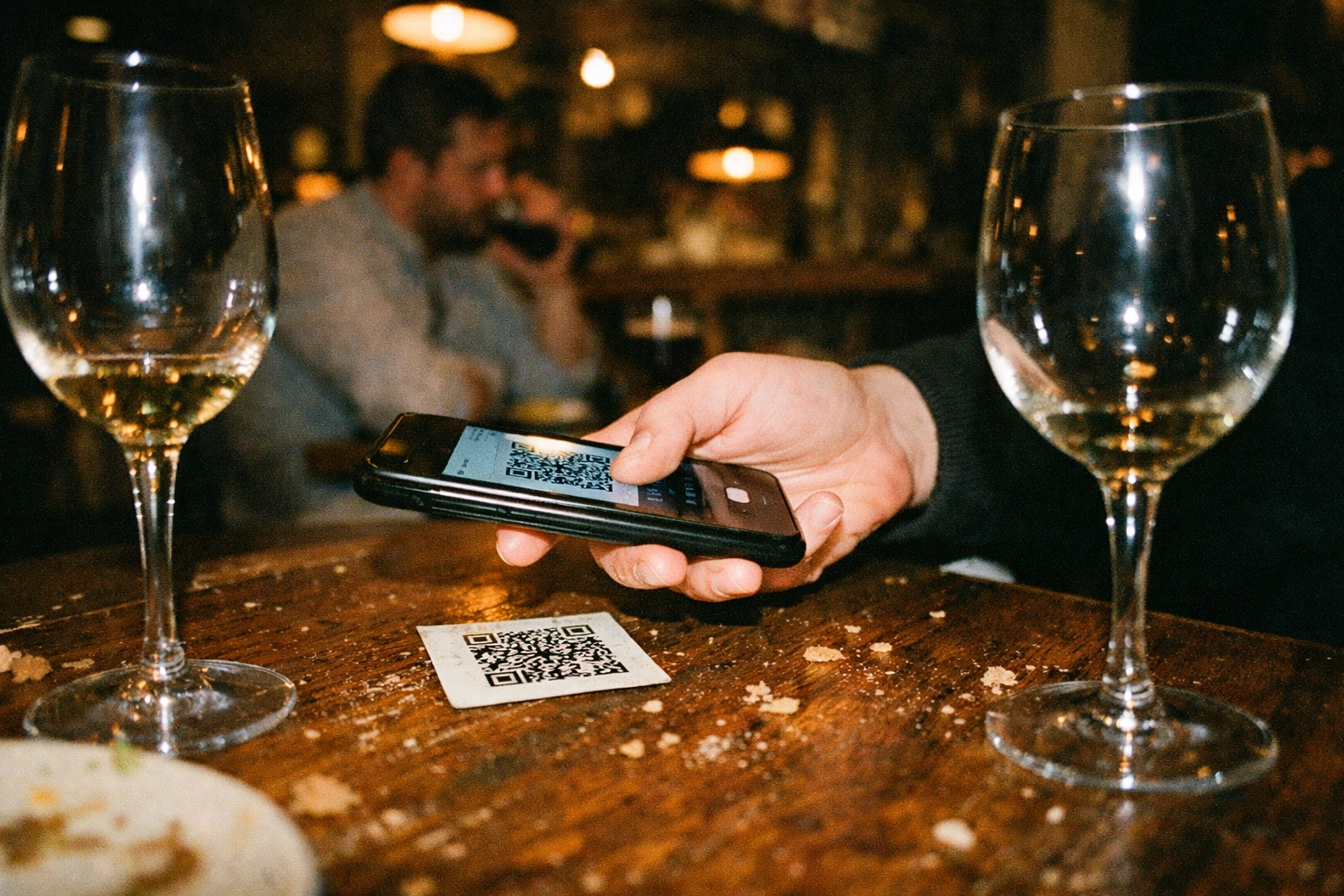
It feels transactional. Cold. Like you're ordering from a vending machine that happens to employ chefs.
This is what operators mean when they say QR ordering "kills the brand soul." They're not wrong. Bad QR ordering, the kind that treats your menu like an afterthought, absolutely does damage your positioning. Especially if you're a premium operation charging £18 for a burger.
Guests don't blame the technology. They blame you.
Why PDF-Style QR Ordering Destroys Brand Equity
The problem with most QR ordering systems is that they were built by POS companies, not hospitality operators. They treat ordering as a transaction, not an experience.
Here's what happens when you deploy a generic, off-the-shelf QR solution:
- No brand continuity. The ordering interface looks nothing like your restaurant's visual identity. Guests feel like they've left your venue entirely.
- Zero personalisation. Every guest gets the same experience, whether it's their first visit or their fiftieth. No recognition. No loyalty integration. No memory.
- Clunky UX. Built for POS integration, not guest delight. Navigation is confusing. Images are low-res. Modifiers are buried three clicks deep.
- Data goes nowhere. You process the order, but you don't own the guest profile. You can't build a relationship. You can't retarget. You can't measure lifetime value.
This is the QR ordering that operators rightfully fear. It's a shortcut that saves labour costs but erodes everything else.
But it doesn't have to be this way.
The Alternative: QR Ordering as a Branded Experience Engine
Storekit approaches QR code ordering differently. Instead of treating it as a cost-saving hack, we position it as the primary digital interface between you and your guest.
The QR code isn't the product. It's the unlock mechanism for a fully branded, frictionless experience that sits above your POS, not inside it.
Here's what that looks like in practice:
- Fully branded interface. Your colours. Your typography. Your photography. The ordering experience feels like an extension of your physical space, not a generic tech overlay.
- Intelligent menu presentation. Dynamic layouts. High-res imagery and videos. Smart modifiers. Allergy filters. Upsell prompts that feel helpful, not pushy.
- Frictionless checkout. One-tap reordering. Saved payment methods. No clunky forms. Guests order in under 15 seconds.
- Single Guest Identity Layer. This is the critical bit. Every interaction, whether it's dine-in, takeaway, delivery, or app, ties back to a unified guest profile.
That last point is where the magic happens.
The Single Guest Identity Layer: Why It Changes Everything
Most restaurant tech stacks are fragmented. Your POS knows what someone ordered at the table. Your delivery platform knows they ordered for collection last week. Your loyalty app has zero visibility into either.
Storekit unifies all of this into one guest profile. When someone scans a QR code at table 12, we don't just process their order, we recognise them.
We know:
- Their order history (dine-in, takeaway, delivery)
- Their preferences (always adds extra chilli, never orders dairy)
- Their spend behaviour (high AOV, orders every fortnight)
- Their loyalty status (three visits away from their next reward)
This means you can serve them better. Faster. More personally.
It also means you can drive measurable commercial outcomes.
The Commercial Case: Higher AOV and Lower Labour Costs
Let's talk numbers, because this isn't just about brand aesthetics. QR ordering, when done properly, delivers tangible margin improvement.
Higher average order value. Research shows that guests spend more when ordering digitally. Partly because they're not under social pressure to order quickly. Partly because intelligent upsells work. One California beer garden saw QR orders account for 56% of all transactions, and reported a 35% sales increase within 30 days of implementation.
Labour cost reduction. Servers spend less time taking orders and more time delivering hospitality. One operator reported a 30% reduction in labour cost percentage after deploying QR ordering. Not because they cut staff, but because each server could cover more tables without compromising service quality.
Faster table turnover. Guests order when they're ready. They pay when they're finished. No waiting for a server to bring the bill. Tables flip faster. Revenue per seat goes up.
Zero printing costs. Digital menus update in real-time. No reprints. No outdated pricing. No 86'd items left on laminated cards.
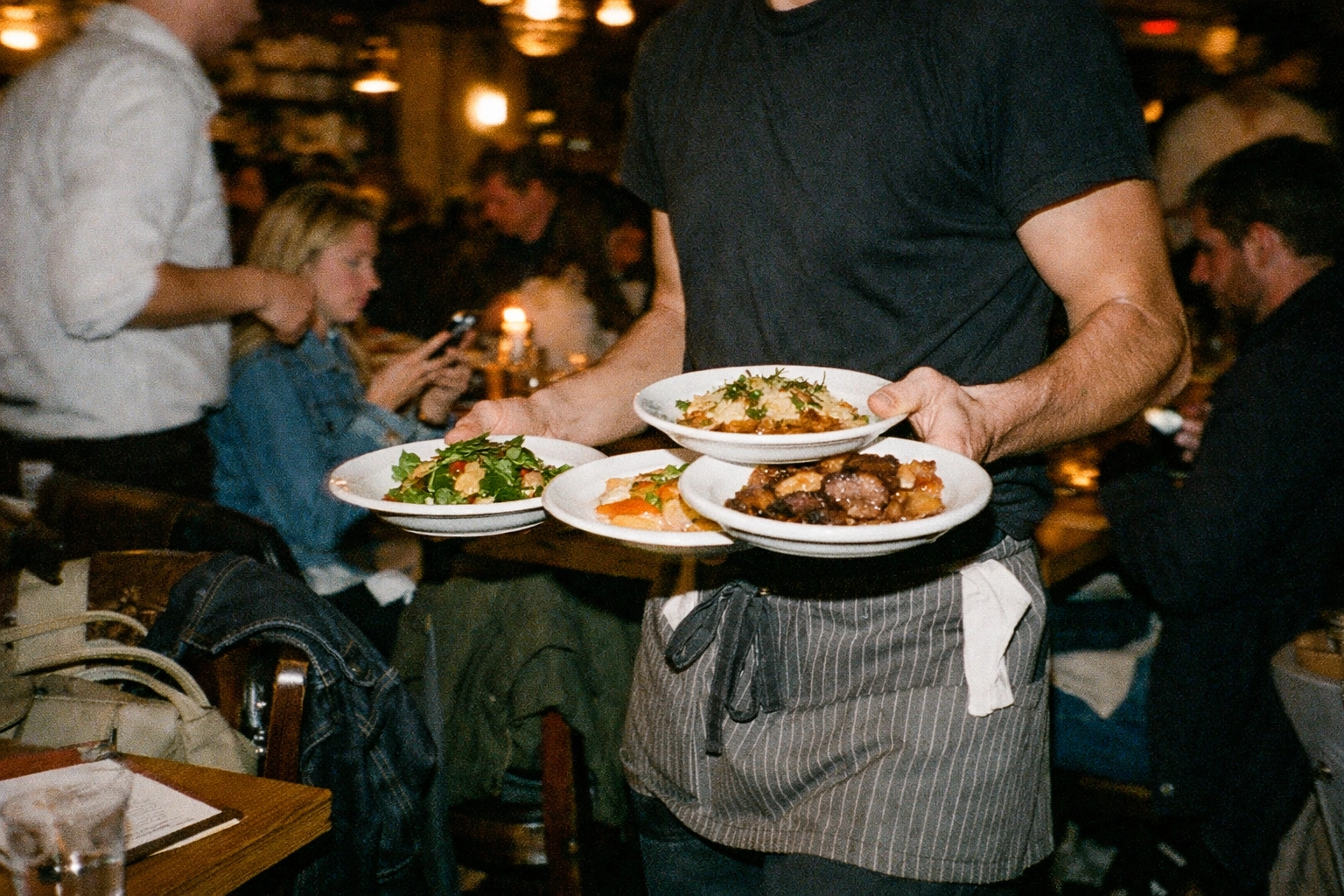
But here's the bit most operators miss: these benefits only materialise if the QR experience is good enough that guests actually want to use it.
A clunky, unbranded interface drives guests to flag down servers anyway. You get all the implementation hassle with none of the upside.
Food Is Commoditised. Experience Is the Competitive Edge.
This is the philosophical shift that underpins Storekit's entire approach.
In 2026, you can get a decent burger almost anywhere. Your local pub does one. Five Guys does one. Honest Burgers does one. Deliveroo will bring you twelve different options within 20 minutes.
The food itself, unless you're operating at genuine Michelin level, is no longer the differentiator. The experience is.
And the experience isn't just what happens at the table. It's how easy you make it to order. How well you remember preferences. How seamlessly you integrate loyalty. How intelligently you personalise recommendations.
Storekit sits above your POS to orchestrate all of this. The QR code is just the front door.
What Good QR Ordering Looks Like in Practice
If you're a multi-site restaurant group evaluating QR ordering, here's what you should demand from the technology:
- Brand control. Full customisation of design, layout, and tone of voice. No generic templates.
- POS-agnostic architecture. The experience layer should sit above your POS, not inside it. You shouldn't have to rip out your entire tech stack to deploy better ordering.
- Unified guest data. Every channel (dine-in, takeaway, delivery, app) should feed into a single profile.
- Loyalty integration. Points, rewards, and recognition should work seamlessly across all touch-points.
- AI-driven personalisation. Smart recommendations based on order history, preferences, and behavioural patterns.
- Real-time menu management. Update pricing, availability, and descriptions instantly across all locations.
- Robust analytics. Measure AOV, frequency, basket composition, and lifetime value at guest level.
This isn't a nice-to-have list. This is table stakes for premium operators who want to protect brand equity whilst capturing the margin benefits of digital ordering.
Frequently Asked Questions
Does QR code ordering reduce the need for front-of-house staff?
Not exactly. It reduces transactional workload, taking orders, processing payments, but doesn't eliminate the need for hospitality. In fact, it frees your team to focus on what they do best: reading the room, delivering drinks, making guests feel looked after. Labour costs drop because efficiency improves, not because you cut headcount.
How do I stop QR ordering from feeling impersonal?
Use it as part of a broader guest experience strategy, not a replacement for human interaction. A well-designed QR system, like Storekit's branded ordering interface, feels like an extension of your service style, not a shortcut around it. Combine it with table visits, personalised recommendations, and loyalty recognition.
Can I update menus in real-time with QR ordering?
Yes. One of the biggest operational advantages is that digital menus update instantly. Ran out of ribeye? Remove it from the menu in three clicks. Launched a new dish? Add it across all sites in under a minute. No reprinting. No outdated information.
What happens to guest data when someone orders via QR code?
That depends entirely on your tech stack. Most POS-based QR systems don't capture meaningful guest data, they just process transactions. Storekit's approach is different: we build a unified guest profile that ties together every interaction (dine-in, takeaway, delivery, app) so you can measure lifetime value and drive retention through intelligent customer data management.
Is QR ordering only suitable for casual dining?
No. The stigma exists because most QR systems look casual (or worse, cheap). But a well-executed digital ordering experience can absolutely work in premium environments. The key is brand execution. If your QR ordering interface looks and feels like your restaurant, it enhances the experience rather than cheapening it.
The Verdict: QR Ordering Is Only as Good as the Experience Behind It
So, is QR code ordering killing your brand or saving your margins?
The answer is: it depends what you're deploying.
If you've bolted on a generic, PDF-style ordering interface because your POS vendor offered it for free, then yes: you're probably eroding brand equity for marginal operational gain.
But if you're treating QR ordering as the front door to a unified guest experience engine: one that recognises guests, personalises their journey, and drives measurable revenue uplift: then you're doing something smarter.
You're not just saving labour costs. You're building a scalable, data-driven hospitality business that wins on experience, not just food.
Because in 2026, the burger is the same everywhere. The way you make people feel when they order it? That's the bit that matters.
We don't just make the world's best online ordering system